

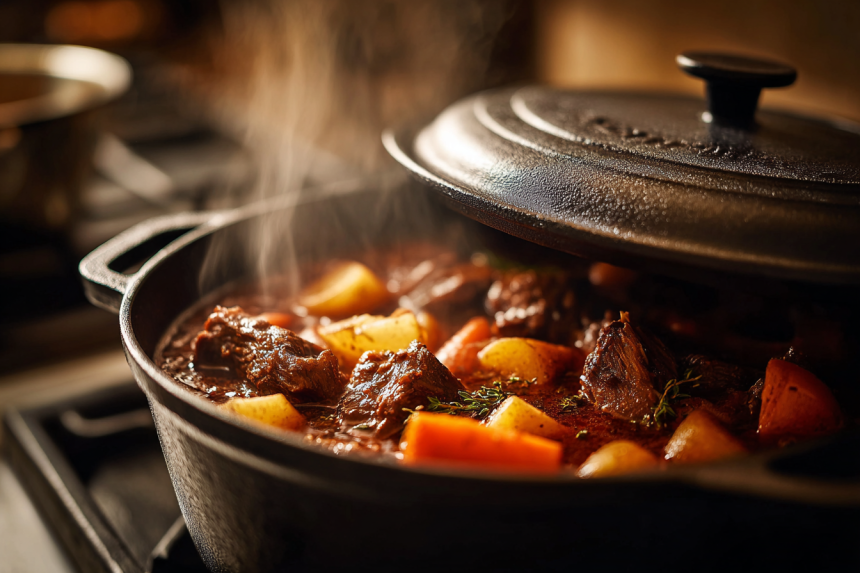
There’s a certain smell that I think many of us have forgotten—the scent of a pot that’s been simmering on the back of the stove all day long, filling the house with a deep, savory warmth. That smell is the smell of patience. And if there’s one dish that demands patience, it’s this one. Making an authentic possum stew recipe is a true testament to the resilient, make-do spirit of Southern and Appalachian heritage here in the many souths. This isn’t a quick weeknight supper; it’s a connection to a time when resourcefulness was the most important ingredient in the kitchen.
This is a dish that has been misunderstood, but when prepared with the proper respect for safety and tradition, it’s a true taste of our history. In this guide, I’m going to walk you through the entire process: the critical safety and preparation steps, the one and only method for truly tender meat, and how to build that authentic, rich flavor from the ground up.
Safety First: Preparation is the True Possum Stew Recipe Secret
We can’t talk about making a possum stew without first talking about preparation. This is wild game, and it must be treated with respect and caution. You can’t just throw it in a pot. The real secret to a good, safe stew starts long before you ever turn on the stove.
I provide a more in depth article “Possum Meat: The Complete & Unabridged Guide to Safety, Cleaning, and Cooking Wild Game” that you may wish to read before you start preparing your delicious possum stew!
Sourcing and Cleaning Your Game
First things first: know your source. This isn’t something you buy at a grocery store. This is food of necessity, traditionally hunted. Because of this, food safety is entirely in your hands. You must be diligent. The USDA has clear guidelines on wild game safety that everyone should read.
Once the animal is skinned and dressed, the work truly begins.
- Remove All Glands: Possums have musk glands (or scent glands) that will ruin the entire dish if left in. These are typically found under the front legs and on the lower back, near the tail. They look like small, waxy, or bean-shaped bits. Be meticulous and remove them.
- Trim All the Fat: Unlike beef or pork, wild game fat (especially possum fat) is not your friend. It holds the strongest, “gamey” flavor and can turn rancid. Trim away every bit of visible fat you can. You want lean meat only.
The Mandatory Overnight Soak
Place the quartered meat in a large bowl and cover it completely with cool water. Stir in a very generous handful of salt (about 1/2 cup per gallon of water) or a good glug of white vinegar. Let this soak in the refrigerator for at least 12 hours, or up to 24. You’ll see the water change color—that’s a good sign. It means the process is working. Discard the soaking water and rinse the meat well.
The “Safety Simmer”
Before we even think about a “stew,” we have to pre-cook the meat. This is for both safety and flavor. Place the rinsed, soaked meat in a large stockpot, cover it with fresh water, and bring it to a boil. Let it boil for a good 20-30 minutes, skimming off any foam that rises to the top. This is the final step in cleaning the meat and removing any lingering impurities. After 30 minutes, drain this water, discard it, and rinse the meat and the pot one more time.
Now, and only now, are we ready to talk about cooking.
How to Make Possum Meat Tender (The 6-Hour Rule)
I’ll be plain: possum meat is tough. It’s a lean, hard-working muscle, and if you try to cook it fast, you’ll end up with something you can’t chew. There is only one way to make it tender, and that’s with time. We call it the “low and slow” method.
 After the safety simmer, place the meat back in the clean stockpot. Cover it again with fresh water (or, if you have it, unsalted beef or game stock). Bring it to a boil, then immediately turn the heat down to the lowest possible simmer—just a blip or two breaking the surface. Put a lid on it, and walk away.
This is the “6-Hour Rule.”
That meat needs to simmer for a minimum of 6 hours. Eight is even better. This long, slow, moist heat is the only thing that will break down those tough muscle fibers and connective tissues. You’ll know it’s done when the meat is literally falling off the bone.
Once tender, carefully lift the meat from the pot and set it on a platter to cool. Do not throw away that liquid! That dark, rich broth is the entire base for your stew.
When the meat is cool enough to handle, pick it all from the bones, just like you would for pulled pork. Discard the bones and shred the meat into bite-sized pieces. Now, you’re finally ready to build your stew.
Building an Authentic, Scratch-Made Stew
The deep, savory flavor of a true mountain stew doesn’t come from a can. It’s built from the ground up, starting with good pork fat and the holy trinity of vegetables. This is how you build that authentic flavor.
The Savory Base
The flavor of an old-fashioned mountain stew starts with pork fat. You’ll need about 1/4 cup of rendered lard, or—even better—4 ounces of chopped fatback or salt pork.
Heat a clean, heavy-bottomed pot or Dutch oven over medium heat. Add your lard or salt pork and let it render down until the bits are crispy (if using salt pork) and you have a good layer of hot, melted fat. This is your flavor base.
Into this fat, add your vegetables:
- 1 large onion, chopped
- 2-3 carrots, cut into thick coins
- 2-3 celery stalks, chopped
Sauté these until the onions are soft and translucent, about 8-10 minutes. This builds the first layer of flavor.
Bringing It All Together
Once your vegetables are soft, add the shredded possum meat to the pot. Stir it all together for a minute or two.
Now, ladle all that beautiful, rich broth you saved from the 6-hour simmer right back into the pot. It should be enough to cover everything generously. Add your potatoes (about 4-5 large Russets, peeled and cubed) and any herbs you have—a few bay leaves, a sprig of thyme or rosemary. This is also where you’d add any canned tomatoes, if you’re using them.
Bring the stew to a boil, then reduce the heat and let it simmer for another 30-40 minutes, or until the potatoes and carrots are perfectly tender.
Thickening the Stew (The Old-Fashioned Way)
A good stew needs body. The traditional way to get it is with a simple slurry. You have two options:
- Flour Slurry: In a small bowl, mix 2 tablespoons of all-purpose flour with 1/4 cup of cold water. Whisk it until it’s perfectly smooth. Stir this slurry into the simmering stew, and it will thicken up in just a couple of minutes.
- Cornstarch Slurry: Same as above, but use 1 tablespoon of cornstarch with 2 tablespoons of cold water. This will give you a slightly clearer, glossier stew.
Taste it and adjust your seasonings. It will need salt (especially if you didn’t use salt pork) and a good bit of black pepper.
The History and Heart of a Mountain Dish
Let’s be honest with each other. This possum stew recipe isn’t something most folks make for Sunday dinner anymore. This is a dish born of hardship, a true example of cooking in the south when times were hard and food was scarce. It was about using every single thing you had, respecting the animal, and turning a tough, undesirable cut of meat into something warm and nourishing that could feed a family.
Dishes like this are a vital part of our culinary landscape, showing just how diverse and resourceful our cooking traditions are. They belong to a specific time and place, representing just one small part of The Many Souths: A Complete Guide to America’s Regional Cuisines. Making it today is a way to remember and respect that resilience. It’s a lot of work, and that’s the whole point. It’s a dish of respect.
Making a traditional possum stew is a labor of love—and a test of patience. It’s a connection to our past that requires you to slow down and follow the process. From the mandatory overnight soak to the 6-hour simmer and the scratch-made gravy, every step is essential. This is more than just a possum stew recipe; it’s a piece of history on a spoon. It’s not for everyone, and that’s all right. But for those who want to understand and preserve a true piece of mountain heritage, this is how it’s done.
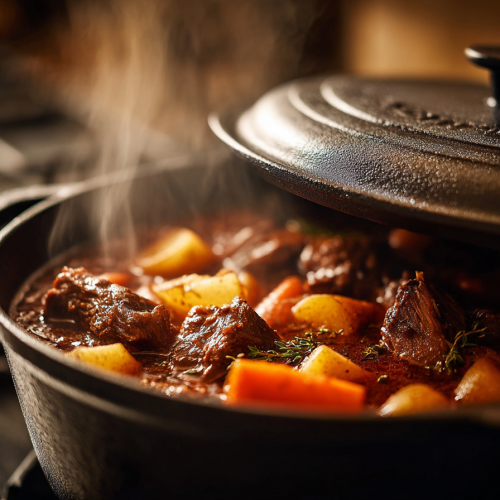
Possum Stew Recipe
Equipment
- Large stockpot (at least 8-quart)
- Heavy-bottomed Dutch oven (or a second large pot)
- Slotted spoon
- Large bowl (for soaking)
- Cutting board
- Sharp knife (for trimming)
- Small bowl (for slurry)
- Whisk
Ingredients
- 1 possum skinned, dressed, glands removed, and quartered
- 1/2 cup salt for soaking
- Water for soaking, boiling, and simmering
- 4 oz salt pork finely diced (or 1/4 cup rendered lard)
- 1 large yellow onion chopped
- 2-3 large carrots peeled and cut into thick coins
- 2-3 celery stalks chopped
- 4-5 large Russet potatoes peeled and cubed (about 6 cups)
- 2 bay leaves
- 1 tsp dried thyme or 2 fresh sprigs
- Salt and fresh-cracked black pepper to taste
- 2 tbsp all-purpose flour
- 1/4 cup cold water
- Optional: 1 14.5 oz can diced tomatoes

Instructions
Trim & Soak the Meat:
- Place the quartered possum meat in a large bowl. Meticulously trim and discard all visible fat. Cover the meat completely with cold water and stir in the 1/2 cup of salt until dissolved. Place in the refrigerator and soak for at least 12 hours, or up to 24.
Rinse & Safety Simmer:
- Drain the soaking water (it will be discolored). Rinse the meat thoroughly under cool running water. Place the meat in a large stockpot and cover with fresh water. Bring to a rolling boil and let it boil for 30 minutes. Skim and discard any foam that rises to the top.
Tenderizing Simmer:
- Drain the pot, discard the boiling water. Rinse the meat and the pot one more time. Return the meat to the pot and cover again with fresh water (about 8-10 cups). Bring to a boil, then reduce the heat to the lowest possible simmer. Cover the pot and let it cook for 6 to 8 hours, or until the meat is completely tender and falling off the bone.
Shred the Meat:
- Carefully remove the meat from the pot with a slotted spoon and set it on a platter to cool. CRITICAL: Save all the broth in the pot! This is the base of your stew. Once the meat is cool enough to handle, pick all of it from the bones. Shred the meat into bite-sized pieces and discard the bones.
Build the Stew Base:
- In a separate heavy-bottomed Dutch oven (or a clean large pot), add the diced salt pork. Cook over medium heat until the fat has rendered and the bits are crispy, about 8-10 minutes. (If using lard, simply heat it).
Sauté Vegetables:
- Add the chopped onion, carrots, and celery to the hot fat. Sauté for 8-10 minutes, until the vegetables begin to soften.
Combine the Stew:
- Add the shredded possum meat, the cubed potatoes, bay leaves, and dried thyme to the Dutch oven. Stir to combine.
- Ladle in 6-8 cups of the reserved broth from the tenderizing simmer. (If using, add the canned tomatoes now). You want enough broth to generously cover all the ingredients.
- Bring the stew to a boil, then reduce the heat to a steady simmer. Cook, uncovered, for 30-40 minutes, or until the potatoes and carrots are perfectly tender.
- In a small bowl, whisk the 2 tbsp of flour with the 1/4 cup of cold water to create a smooth slurry. Pour the slurry into the simmering stew, stirring as you pour. Let the stew simmer for another 3-5 minutes to cook out the raw flour taste and thicken the gravy.
Final Seasoning:
- Taste the stew. It will likely need a generous amount of salt and fresh-cracked black pepper. Add seasonings, tasting as you go, until the flavors are rich and deep. Remove the bay leaves before serving.
Notes
Storage, Serving & Reheating
Storage: Let the stew cool completely, then store it in an airtight container in the refrigerator for 3-4 days. It does not freeze well, as the potatoes can become grainy. Serving Suggestions: Serve piping hot in deep, pre-warmed bowls. This stew is a must-have with a side of crusty, hot-water cornbread or fluffy buttermilk biscuits to sop up every bit of the rich gravy. Reheating: Reheat gently in a pot over medium-low heat, stirring occasionally until warm through. The stew will thicken considerably in the fridge, so you may need to add a splash of water or beef broth to thin it back out.Flavor Variations & Pairings
Variations: Add a cup of sweet corn (frozen is fine) in the last 10 minutes of cooking. A cubed turnip or parsnip can be added with the potatoes for more root vegetable flavor. A splash of your favorite hot sauce or a pinch of red pepper flakes will add a nice warmth. Pairings: This hearty stew pairs perfectly with a side of braised collard greens, a simple, sharp-dressed slaw, or a jar of pickled okra.Leftover Transformation Ideas
Shepherd's Pie: Spoon the leftover stew (drained of excess gravy) into a casserole dish and top with a thick layer of mashed potatoes. Bake at 375°F until golden and bubbly. Stew & Biscuits: Reheat the stew and serve it ladled over split, buttered biscuits for a rib-sticking breakfast or lunch.Troubleshooting Tips
"My stew tastes gamey!" You likely did not trim enough of the fat or skip the 12+ hour saltwater soak. Unfortunately, you cannot fix this after the fact. This preparation step is critical. "My meat is still tough!" You did not simmer it long enough in step 3. The 6-8 hour simmer is the only way to break down the tough muscle. There are no shortcuts. "My stew is too thin!" Your potato starch wasn't enough to thicken it. Simply make another small slurry (1 tbsp flour + 2 tbsp cold water) and stir it in. "My stew is bland!" Be brave with your seasoning! Wild game needs more salt and pepper than you think. Keep tasting and adding until the flavor pops.Recipe Notes (Substitutions, Make-Ahead, Scaling)
Substitutions: You can use 1/4 cup of bacon grease instead of salt pork or lard. For a gluten-free stew, use 1.5 tbsp of cornstarch (mixed with 3 tbsp cold water) as your slurry. Make-Ahead: This stew is almost better the next day. You can make the entire recipe a day in advance. You can also break up the work: Do the soak and 8-hour simmer on Day 1, then build the final stew on Day 2. Scaling: This recipe is easily doubled, provided you have a large enough pot. The simmering times remain the same. Share Your Kitchen Story! Did you try this piece of mountain history? We'd be honored to see it. Share a photo of your stew and tag @grandmaws on social media!Nutrition
Rate This Recipe
Share This Recipe With The Ones You Love!





I never thought that possum could be “edible” but this was actually tasty! My husband killed and cleaned a possum just so we could try it, and I will say that I am very pleased with this recipe, it tastse pretty great! With the price of meat these days, yep, more possum hunting we will do! Thank you for sharing this recipe!